
Private Mexico City Tours
Expert Cultural and Historical Guides
Discover private Mexico City tours designed around your interests. Our expert guides give you personalized cultural tours exploring history, art, food, architecture, and daily life — far beyond standard sightseeing. Whether you want a deep dive into Mexico’s past, an experience of modern culture — or both — we create a custom itinerary just for you. Our guides are great at making history interesting for children and adults!
Before your arrival, we work together to discover your needs and interests. You are assigned an extremely knowledgeable guide, licensed by the National Institute of Anthropology and History, fluent in English. The tour goes at your pace, and you can even modify the tour plan while you are with your guide!
Prices for our private tours range from USD$315 for a half day without car for a single traveler, to USD$1150 for up to 18 people with a mini-bus, driver and guide for an 11-hour longer day trip to the Monarch Butterflies or Puebla or Taxco. We can arrange for buses for larger groups.
Teotihuacan Private Tours
Teotihuacan is one of the few historical sites open on Mondays, which is why many visitors choose to go on that day. After your personalized tour of this prehispanic site, you will have a choice of other places to visit during the day.
We highly recommend you start this tour very early, like 7:30am. The drive to the Pyramids takes approximately an hour and quarter. It is no problem to stop along the way (once you get out of the city) for coffee and a bite to eat! The midday sun is very intense and draining at 2300 meters above sea level and especially so at the Pyramids, and also if you start later the traffic going out of and back into the city will be much heavier, so you will end up spending more of your guided day sitting in the car.
Please keep in mind that seeing the site involves going up and down many stairs. If you have someone who has difficulty with stairs, you will need to allow for a longer time at the Pyramids.
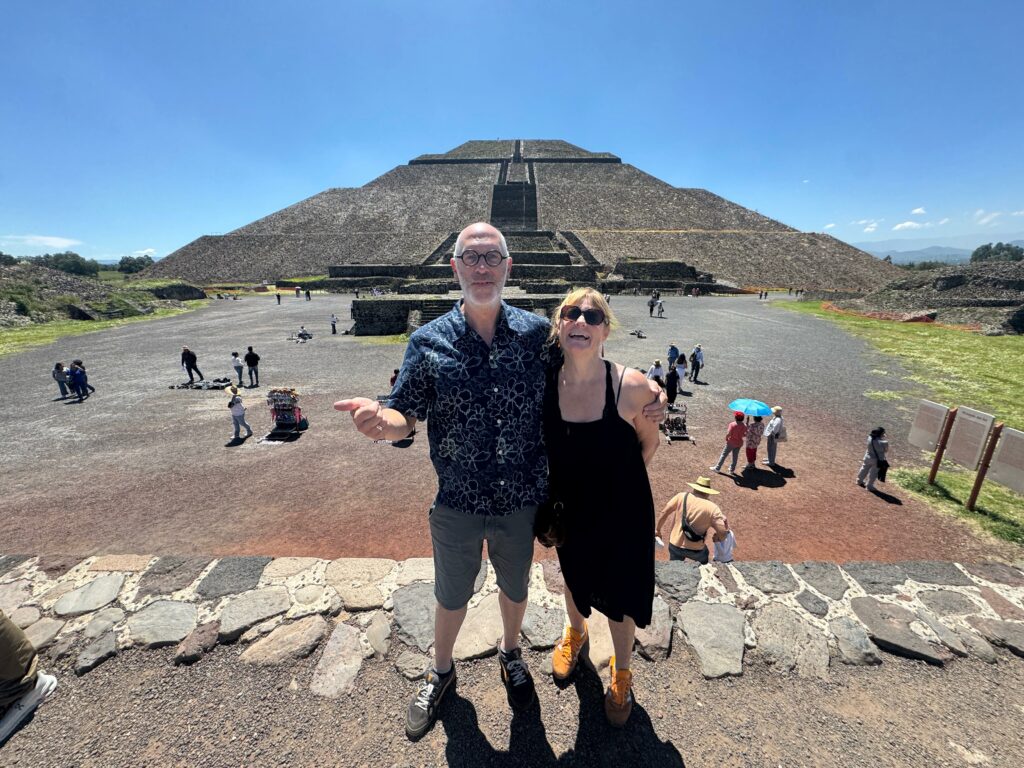
Custom City Tours: Prehispanic sites, museums, neighborhoods and more!
In your personalized tour you can mix topics as you wish — there are soooo many options of places to see in the city! Here we describe just a few of the most popular choices, but there more options available — just let us know of your interests!
- Centro Histórico
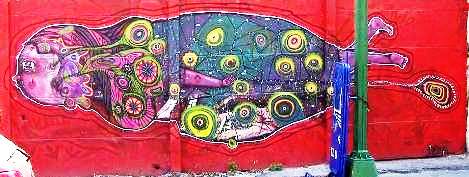
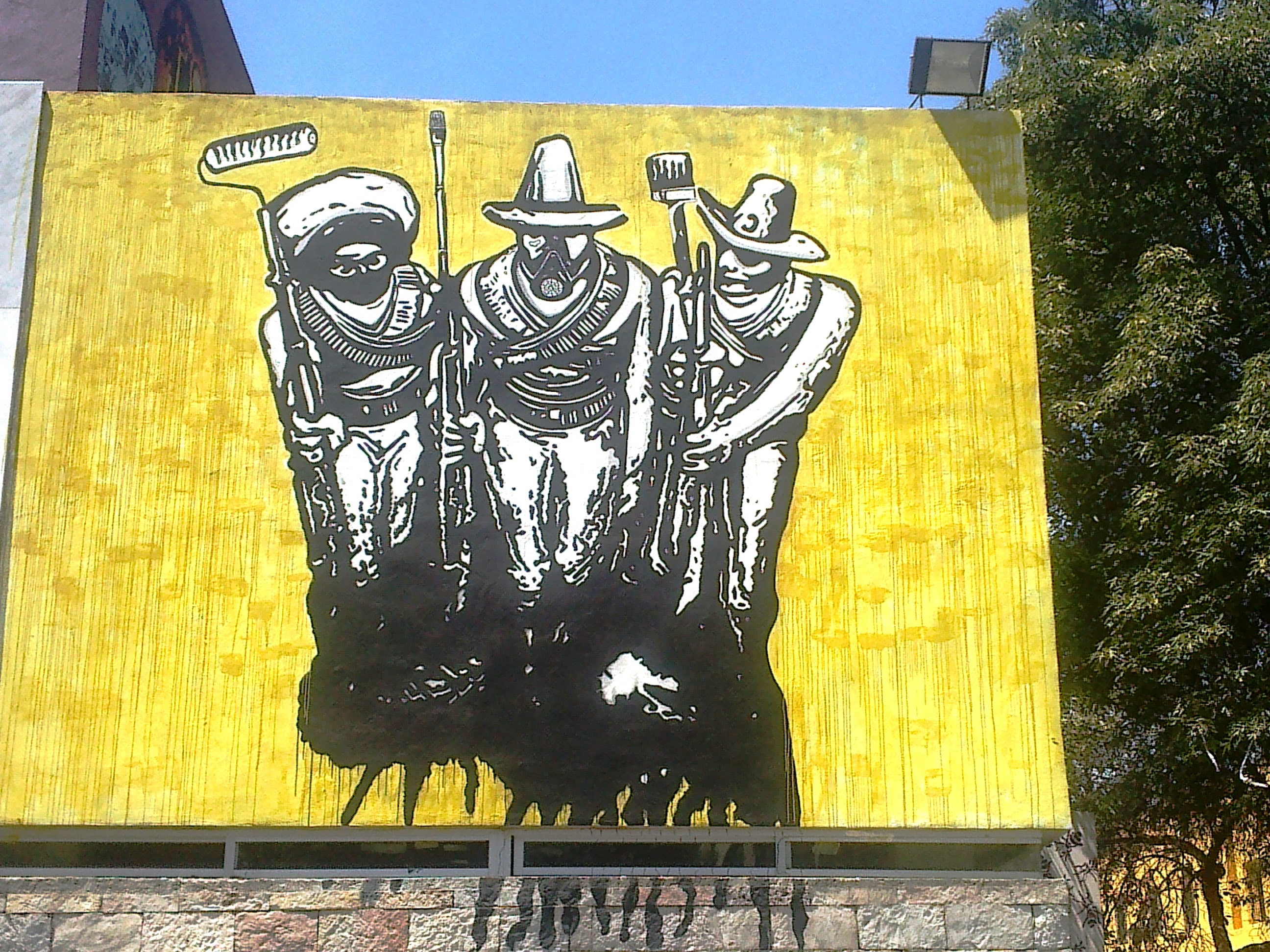
Within walking distance you have the prehispanic ruins of Templo Mayor, colonial buildings like the Cathedral, contemporary art and architecture including murals from Rivera, Siquieros, Orozco and other Mexican muralists, the Alameda park, and many other interesting spots. You could spend a full day in Centro and include more historical sites, more mural sites or go to the side of Centro with street art and a food market…
- Museo de Antropología
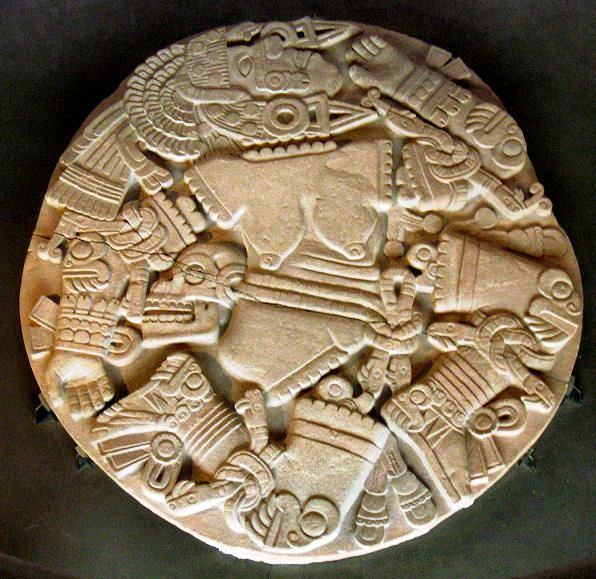
is dedicated to the archeology and anthropology of prehispanic Mexico. You could spend an entire day just in this museum, or a whole day in the park and visit other museums like the Castillo de Chapultepec and the Museo de Arte Moderno with your guide. You can even mix up the day and visit a museum in combination with other places like markets or neighborhoods
- Neighborhood walking tours
Choose from different areas such as Colonia Roma, Condesa, Polanco, Santa María la Ribera or others! In each area, learn about the history and see little-known sides of the neighborhood.
- Xochimilco
As you glide along the canals in a flat boat, learn with your guide about the history of this ancient area and how agricultural land was created in the middle of this shallow lake. We offer a variety of options, from a ride through the festive side of Xochimilco, to more in-depth experiences where you visit a chinampa on the ecological side and learn about the agricultural activities there. All tours can include a visit to an axolotl preservation site.
- Coyoacán
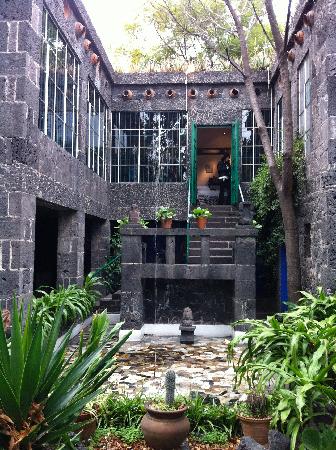
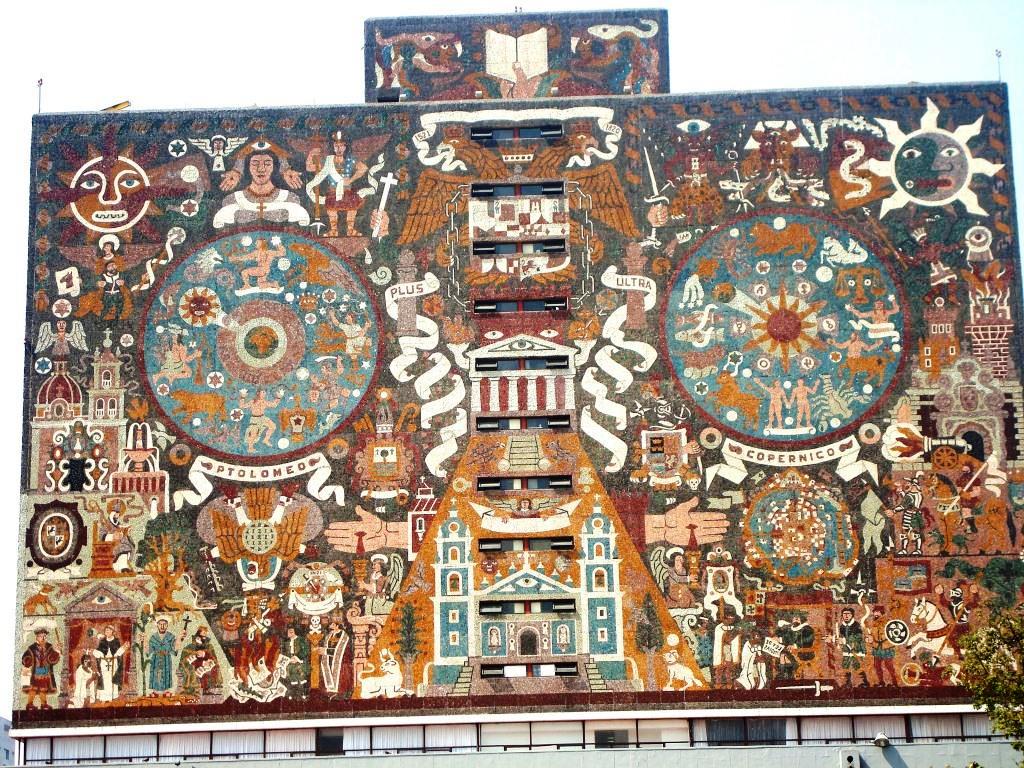
Visit the home of Frida Kahlo, walk through the market, the central plaza and the streets of this well-preserved colonial neighborhood. Near this area you also have the central campus of the National Autonomous University of Mexico (a UNESCO World Heritage site), the San Angel neighborhood, the Cuicuilco pyramid, and many other sites.


Trip support
Get advice, maps, information and answers to your questions — before and during your trip. It is SO helpful to be able to message a knowledgeable local when you are here and need support!
Receive our timely recommendations, advice, information about things you can do on your own and support during your stay in the city. We prepare a draft program for your entire stay, which you can review and modify as many times as you like. Support is via email and a messenger service like WhatsApp.
NOTE: We do not do everything for you: this service is for people who are semi-independent and want extra support from a reliable local contact. Trip support costs a minimum of $90, and you get a partial refund of this fee with each tour you book.
Puebla, Taxco, Monarch Butterflies and more!
We also offer longer day trips to nearby areas. These tours last 11 hours and take you to nearby cities such as:
- Puebla including Cholula and Tonanzintla
- Taxco including the Grutas de Cacahuamilpa, or with Xochicalco
- Monarch Butterflies: From Nov. to Feb, the Piedra Herrada Butterfly sanctuary and town of Valle de Bravo.
- Cuernavaca, can be with Taxco or Tepoztlán

Cooking and Markets
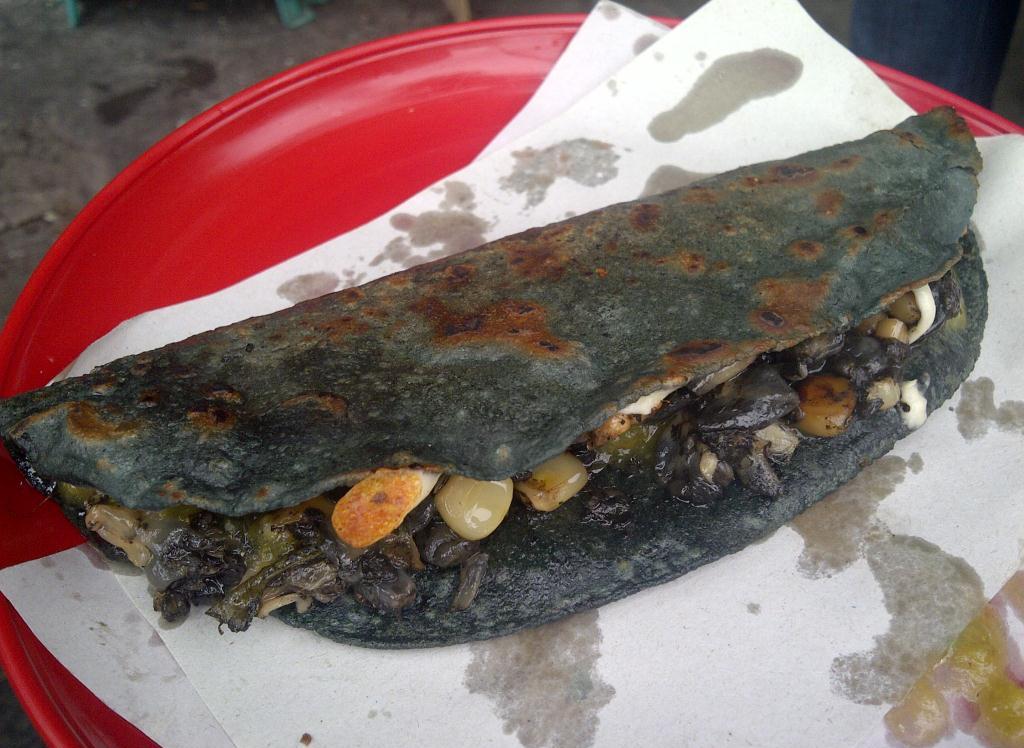
Get to know a family in a typical Mexican home. Visit a small neighborhood family-run restaurant in southern Mexico City. Go to market and cook a meal together. This is not so much a cooking class as it is a way to experience everyday life through the concrete experience of cooking (and eating!) together. Translation support available.


Lucha Libre
Lucha Libre events are held four times a week in Arena México and Arena Coliseo. While you can go by yourself or on a group tour, having our private accompaniment adds depth and the personal experience of having someone just for you, available to facilitate and answer your questions. If you like, afterwards you can add on a visit to Garibaldi square to hear the mariachis, or go for tacos!

Research and Interpretation
University study-abroad groups
For professors bringing groups to study specific aspects of Mexico: we provide the local support to complement and facilitate your own program. This is the origin of our business, we first worked with university study abroad programs for 17 years before starting the private tour work!
Independent groups, conferences and researchers
For researchers or any person or group wanting to focus deeply on a particular issue, we can provide local logistical support and accompaniment, including translation and simultaneous interpretation.


Copyright © 2018 Journeys Beyond the Surface
Lorem ipsum dolor sit amet, consectetur adipiscing elit. Ut elit tellus, luctus nec ullamcorper mattis, pulvinar dapibus leo.